
Past Episodes:
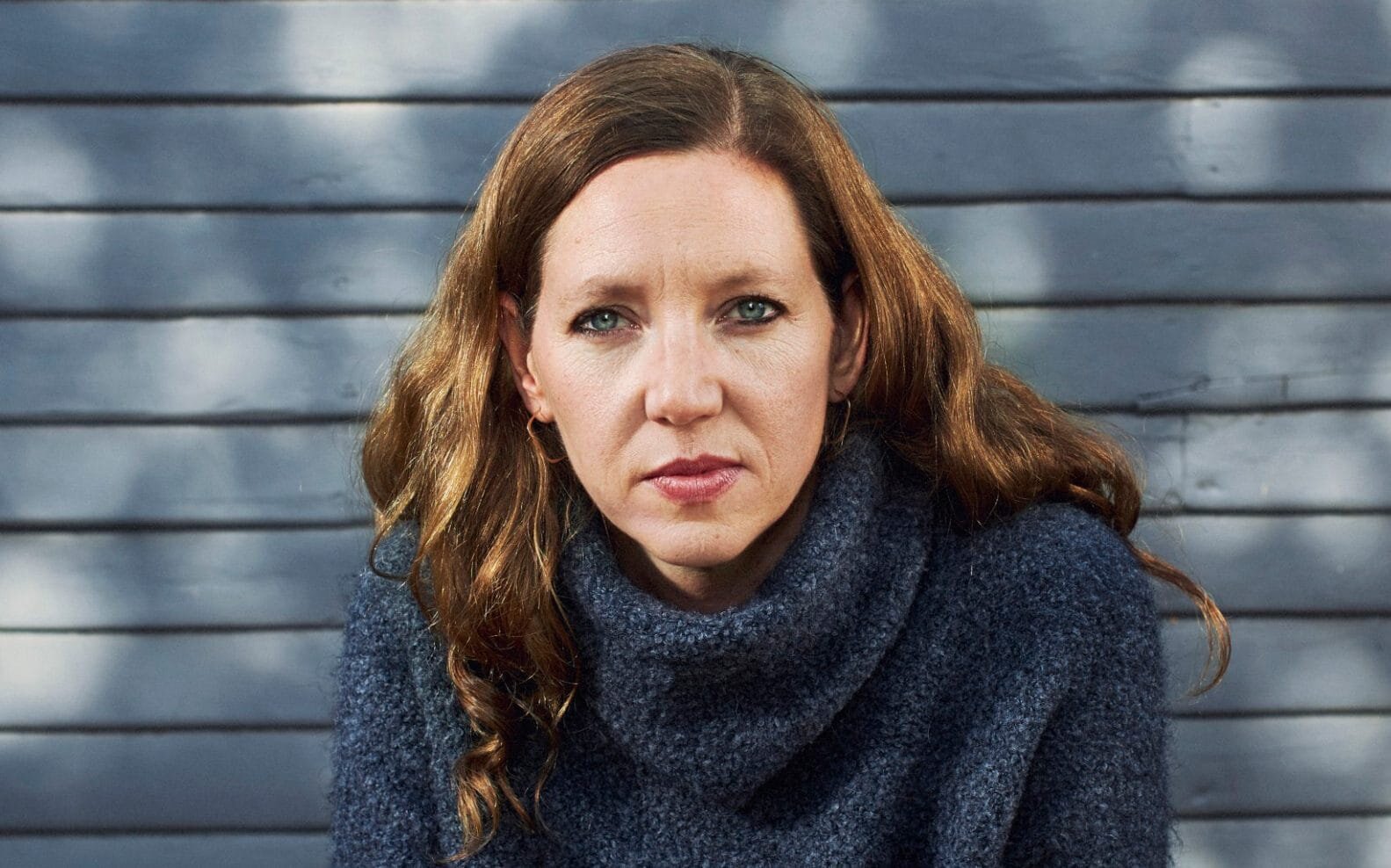
Maggie Nelson on Hopelesness-ness
“Hopelessness can be the comedown on the other side of a moment of liberation where you thought everything was going to change, and you feel as if not enough did. “

Alexandra Kleeman on the Dystopian Present
“You try to write your future novels, and that might be the hardest target to hit because the future is just coming at us so quickly.”
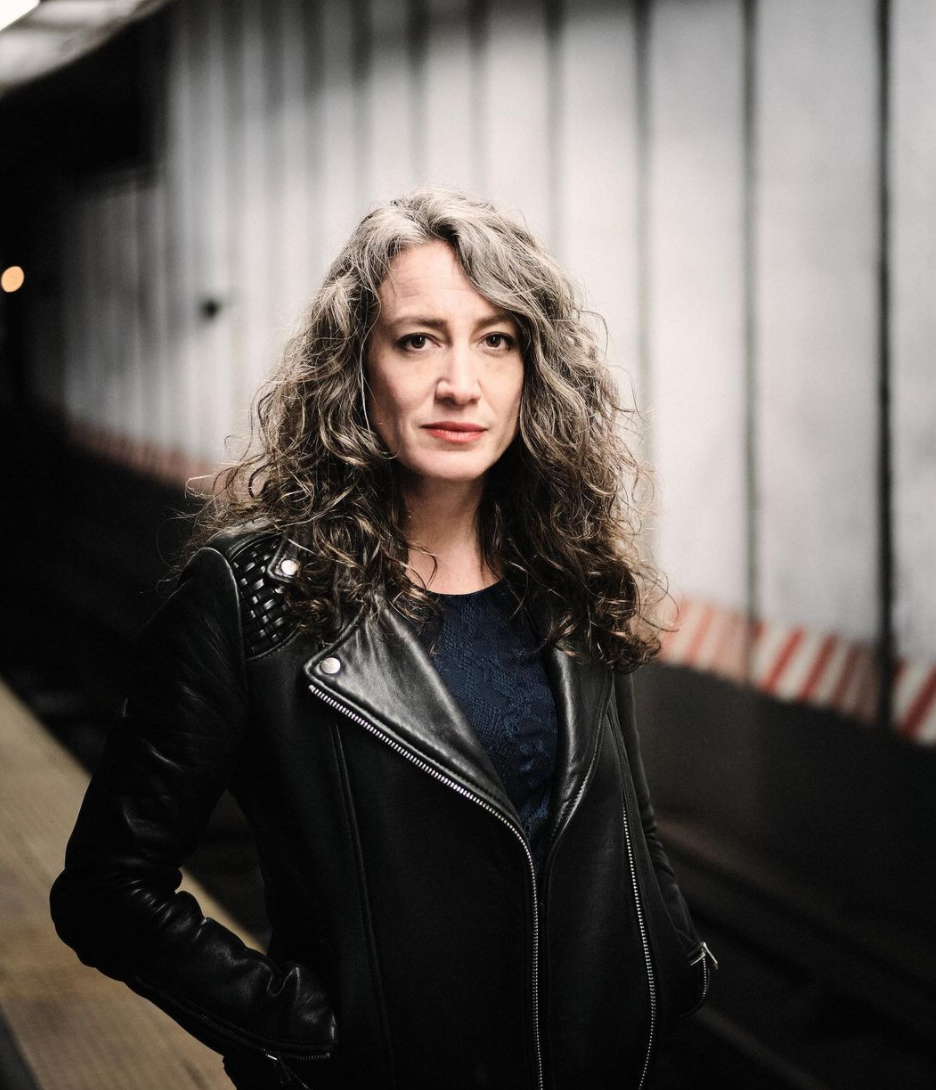
Lauren Sandler on the Art & Ethics of Reporting on Poverty
“It just feels like the whole system here when it comes to who gets to write what about whom is broken, and we’re not asking the right questions to fix it.”

Eula Biss on Quitting Her Job to Do Her Work
““I was fairly clear on the fact that I was never going to make money off my writing… The upside of that was that my writing was all play, for me.”
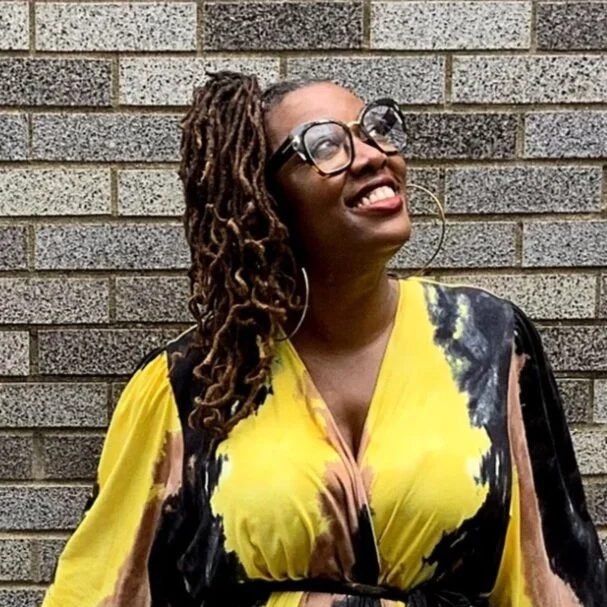
Deesha Philyaw on Leaving A Marriage Over Email
“I thought: This is the kind of life I want. I want adventures. I want the super blue sky. I want to feel free.”

Mary Ruefle on Firsts & Lasts
“I didn’t know such a thing existed, and here I am in it. Although at that time I didn’t see it that way; I just simply walked around every day exploding, just exploding, with everything I was seeing and experiencing.”

Nadia Owusu on Moving Through Madness
“How do I live with this complexity? And with the reality that there are some things that I might never know?”

Michelle Orange on the Anger of Mothers & Daughters
“The problem was we couldn’t talk about the ways in which our anger was actually deeply interrelated and in sympathy in certain ways. And why would that be?”

Rivka Galchen on Choosing What Not to Abandon
“That’s my instinct— to not finish a project. I’ll start it with high hopes and lots of ideas and then if I don’t have velocity on my side, I myself undergo too many changes.”
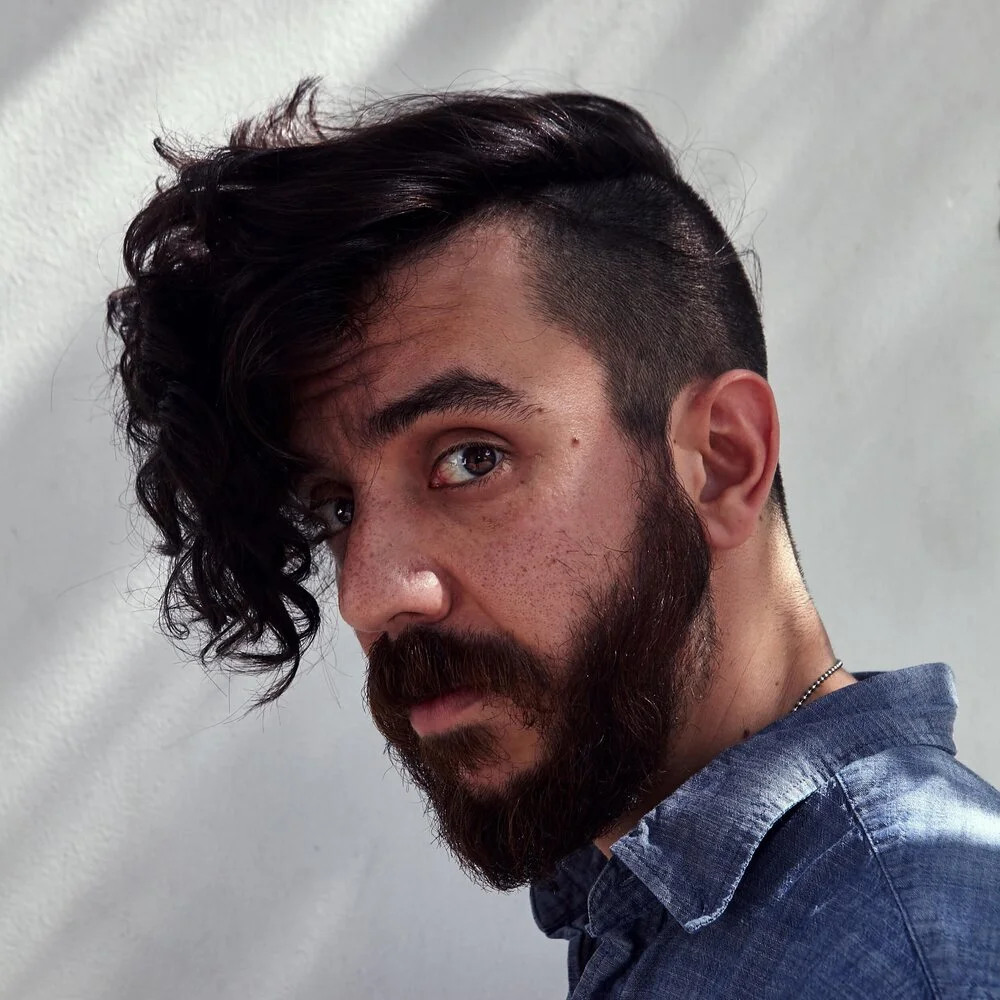
Kaveh Akbar on the Mystery of His Survival
“Even the most skeptical writers talk about process by using language like “the hours just flew by,” or “such and such phrase just came to me.” They’ll mine the language of the supernatural to talk about what’s happening.”

Kristen Radtke on the Embarrassments of Loneliness
“I’m never going to feel confident that I’m making the right choice or that I’m the right person to tell a story or that I’m not going to make a complete fool of myself. You just have to work in spite of that.”

Jericho Brown on Where Love and Violence Intersect
“My poems arrive at these moments and because they arrive at these moments I realize I have to live like the poems. I want to live like the work I’m making.”

Mattilda Bernstein Sycamore on Pain & Embodiment
“The text is the most successful embodiment. That is where I have succeeded. That text could not have happened if I didn’t go on this search, and if I wasn’t present in all that vulnerability.”
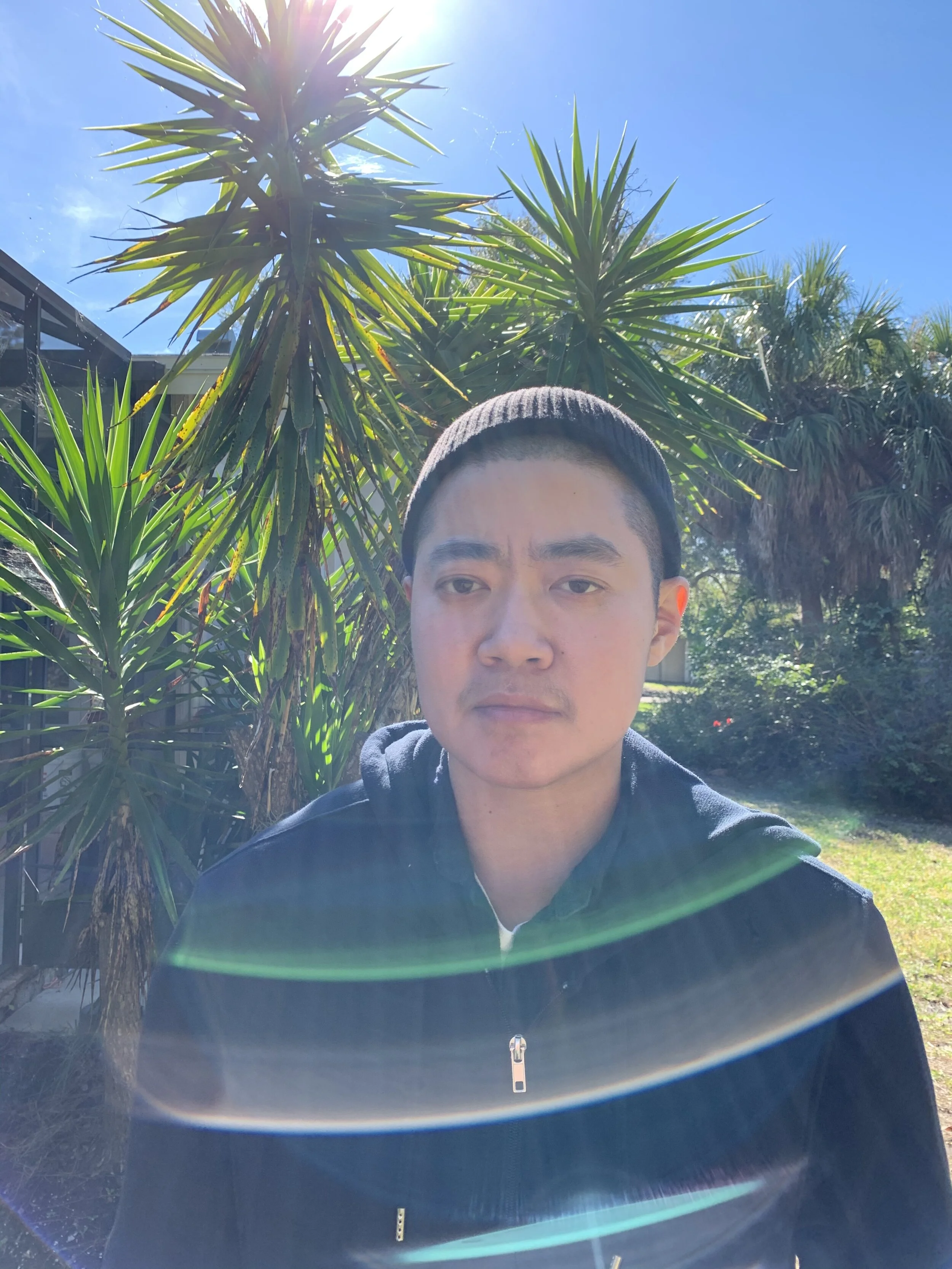
Patrick Cottrell on Adoption & Transformation
“I decided I wanted to teach a class on Asian American fiction. I did not have the typical experience of my parents being immigrants, or their parents being immigrants. But I thought, well why can’t I teach this? As an adoptee, this is part of the Asian American experience.”
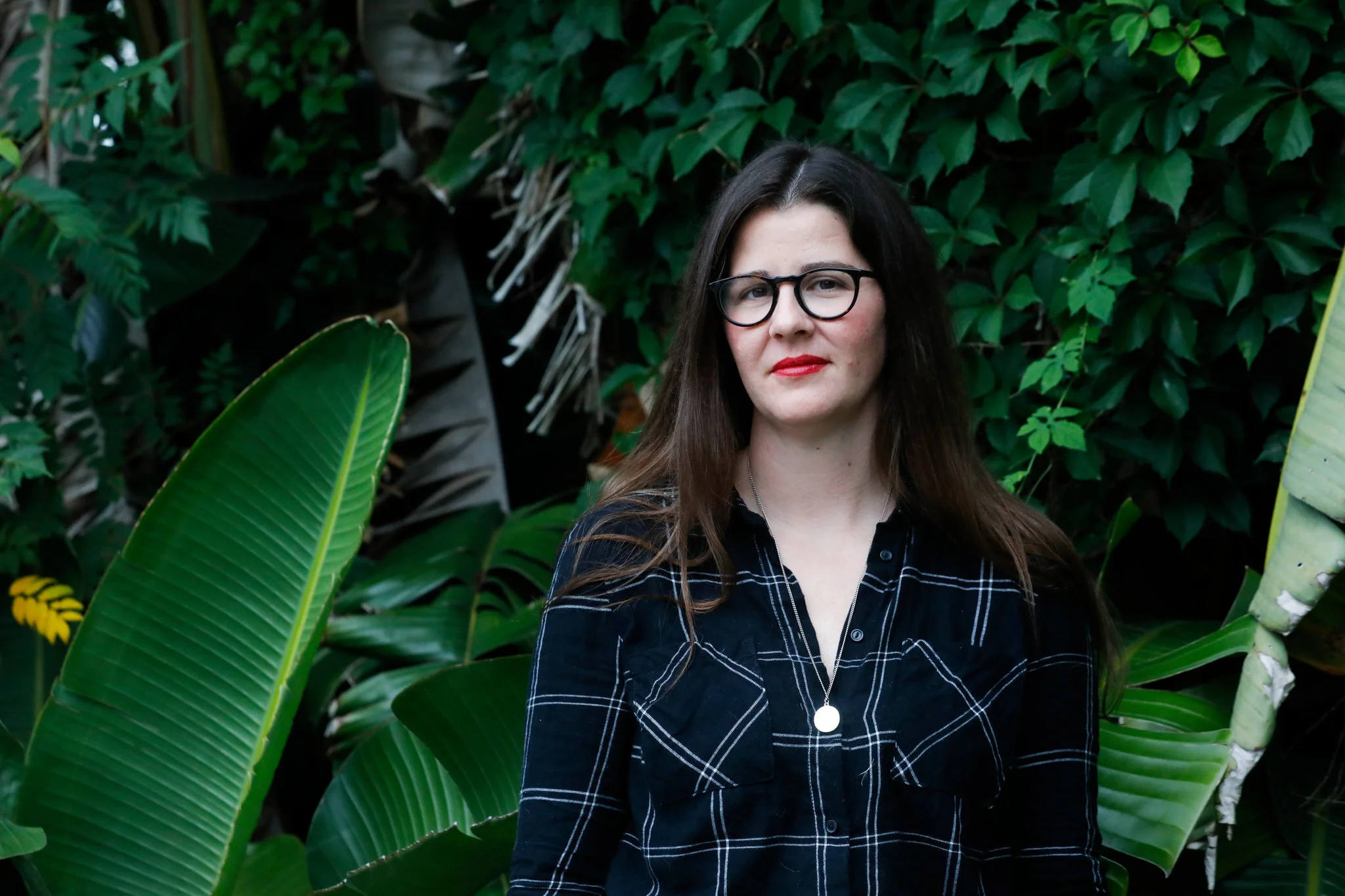
Kristen Arnett on the Alarming Luxury of Becoming a Full-Time Writer
My house had never been cleaner. I was like “I’m going to weedwack!” I’ve never weedwacked anything in my life.

Donika Kelly on Leaving Home Behind
“I crossed into a space where my life was no longer defined by my parents and what they needed from me. And that gave me time and space to begin this journey of figuring out what I needed.”

Hilary Leichter on Living in Discombobulated Wonder
“I don’t know if I could have written it in a way that wasn’t absurd, because absurdity felt like the most natural and truthful way of being.”

C Pam Zhang on Looking For Home
“After I gained citizenship, it was just this constant vibrational confusion that I held within me about, what do I claim as my culture? Who do I claim affinity to? How can I ever reconcile these questions?”

Rachel Kushner on The Unreliability of Memory
“Your life is not just a series of present tenses ordered as integers in a great scroll. Everything behind you in the scroll is part of your present tense, and you don’t want to forsake it. You want to honor all of it.”
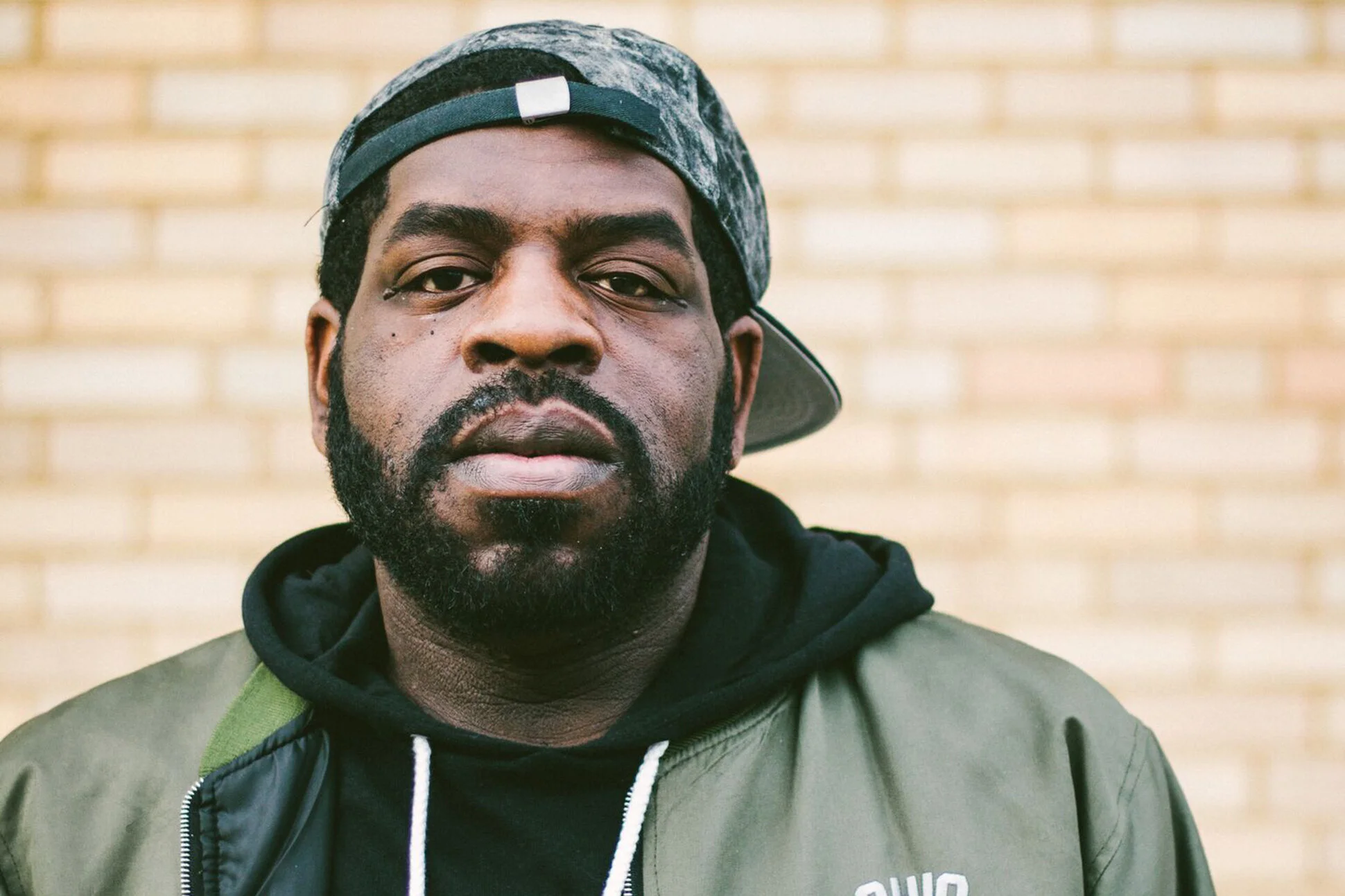
Hanif Abdurraqib on Practicing Discipline & Delight
“Most of the things that take me to writing are things I don’t talk about publicly or things I don’t share publicly. I need to keep those as my own, I need to keep those close to me so that I might still feel good about them.”